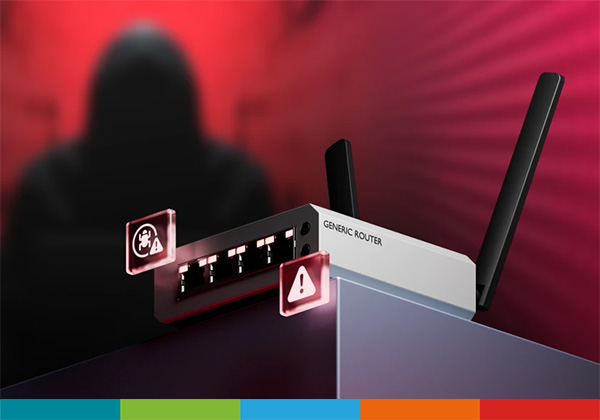
The year 2025 brought new records in the number of IoT devices – already more than 19.8 billion are connected to the network, and by 2030 there will be more than 29 billion. These solutions control production, monitor infrastructure and ensure safety in public spaces. Unfortunately, this is also an ideal field of activity for cybercriminals.
Threats such as malicious botnets, DDoS attacks, remote device takeovers and data leaks have become commonplace. An example? Mirai – a botnet from 2016 – continues to mutate and infect tens of thousands of devices, including IP cameras and industrial routers. It is hard to believe that many companies still do not use basic security measures.
Where do attacks start? The most common mistakes in the IoT environment
Default passwords and unchanged configurations are the most common gateway for attackers. Hundreds of identically configured devices in the field, access through open ports and a web panel – it's every hacker's dream.
Outdated firmware is another critical issue. The inability to perform remote updates in many systems means that a security vulnerability can remain unpatched for years.
The lack of data transmission encryption exposes companies to eavesdropping, interception of system logs, or even substitution of telemetry data. Meanwhile, many devices still use protocols such as HTTP or unencrypted MQTT.
Minimal hardware security measures – no firewall, access control, or suspicious activity logging – are common in low-cost devices without dedicated cybersecurity support.
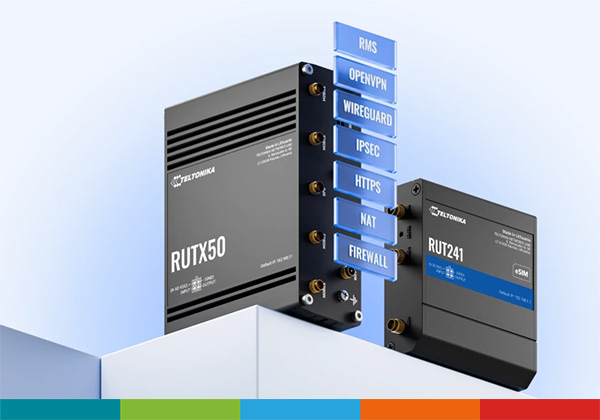
Teltonika is a manufacturer that has been consistently developing a secure-by-default approach for several years. The brand's routers and gateways enforce password changes, restrict ports and block unnecessary interfaces right from the start.
Teltonika's greatest strength is its RMS remote management system, which enables:
Transmission-level security includes VPN protocols (WireGuard, OpenVPN), IPsec, HTTPS, as well as advanced network segmentation via VLAN, SSID, NAT, and firewalls.
Since 2023, Teltonika has been a CVE Numbering Authority (CNA), which means full transparency – it independently publishes vulnerabilities and responds immediately. This is a unique advantage among industrial device manufacturers.
InHand Networks has opted for IEC 6244341 and 42 security certification, which is particularly important in the OT/ICS (industrial systems and critical infrastructure) sector. Models such as the IR302, IR315 and IG902 are devices designed in accordance with SL2 requirements, including:
Importantly, InHand strongly emphasises its certifications and compliance with EU regulations, such as the Cyber Resilience Act and NIS2. This is a significant advantage in tenders and implementations in the public sector and energy industry.
From August 2025, new EU regulations on the cybersecurity of radio devices will come into force. Both Teltonika and InHand are fully prepared for these changes.
By choosing Teltonika or InHand devices, you are not only investing in industrial connectivity, but above all securing your entire IoT ecosystem – from the hardware layer to remote management and regulatory compliance.
With their extensive management platforms, transparent approach and advanced certification, both brands respond to the real needs of the market – not only today, but also in the years to come.